
The psychology behind gambling Understanding the mind's game
The allure of gambling
The allure of gambling is deeply rooted in human psychology, tapping into various cognitive biases and emotional triggers. Many individuals are drawn to the thrill of risk and reward, believing they can beat the odds. This excitement can lead to an adrenaline rush, which many find exhilarating. For many, the allure is not just about money; it’s also about the experience, the social environment, and the psychological stimulation that comes with the unpredictability of each game. Many appreciate the convenience of modern methods like payid slots, allowing for seamless transactions.

The excitement is amplified by the visuals and sounds often associated with gambling environments, creating a sensory experience that stimulates the brain’s pleasure centers. Lights flashing, sounds of coins clinking, and the tension in the air all contribute to a compelling atmosphere. This heightened sensory experience can lead to a temporary escape from reality, making gambling more enticing for individuals looking to avoid their day-to-day stresses or problems.
Moreover, the concept of near misses can further entrap gamblers in a cycle of hope and disappointment. When players almost win, it can create a strong emotional response, often leading them to believe that success is just around the corner. This phenomenon reinforces continued play, keeping individuals engaged despite the odds being stacked against them. The belief in a forthcoming win can cloud judgment and rational thinking, making it challenging for gamblers to step back.
The role of cognitive biases
Cognitive biases play a crucial role in the psychology of gambling, shaping how individuals perceive risk and reward. One common bias is the illusion of control, where gamblers believe they can influence outcomes in games of chance. For example, a player might think that their betting strategy or skill can affect the result of a slot machine or a roulette wheel, despite these being purely luck-based games. This belief can lead to increased gambling behavior as individuals continue to engage in an activity where they feel they have power.
Another prevalent cognitive bias is the availability heuristic, where individuals assess the probability of an event based on how easily examples come to mind. In gambling, a person may remember a friend winning a large jackpot and think it is a common occurrence, leading them to underestimate the real risks involved. This skewed perception can reinforce the idea that big wins are achievable, encouraging continued gambling despite the potential financial consequences.
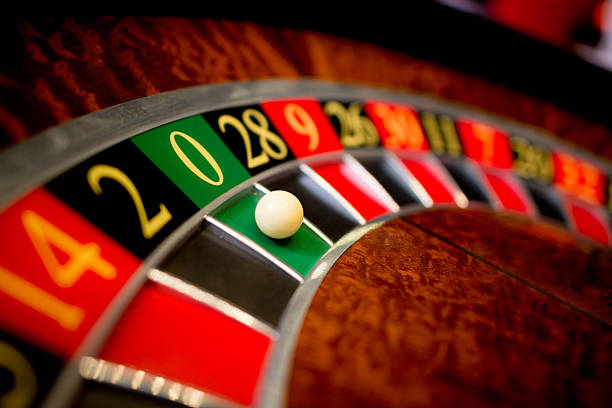
Furthermore, gamblers may fall prey to the gambler’s fallacy, which is the mistaken belief that past events influence future outcomes in random situations. For instance, if a roulette ball has landed on red several times in a row, a gambler might bet on black, assuming that the trend must change. This misconception can lead to a cycle of chasing losses and irrational betting behavior, as individuals mistakenly believe they can predict future results based on previous outcomes.
The emotional impact of gambling
The emotional impact of gambling is profound, affecting individuals’ mental health and relationships. Many gamblers experience a rollercoaster of emotions, from the exhilaration of a win to the despair of a loss. This emotional volatility can lead to a range of psychological issues, including anxiety and depression, particularly if gambling leads to financial ruin or damaged relationships. The emotional highs of winning can become addictive, causing individuals to seek out the thrill repeatedly.
Moreover, the social aspect of gambling can intensify these emotional responses. For some, gambling is a communal activity that fosters social connections and bonding over shared experiences. However, it can also lead to isolation, particularly for those who prioritize gambling over relationships with family and friends. The emotional turmoil can cause rifts in personal relationships, as loved ones become concerned about the gambler’s well-being and financial stability.
In some cases, the emotional impact of gambling can manifest in destructive behaviors, as individuals may resort to lying or stealing to fund their gambling habits. The stress of maintaining a gambling lifestyle can create a vicious cycle where individuals gamble to escape their problems, only to create more issues. Seeking help from mental health professionals or support groups can be crucial in breaking this cycle and addressing the emotional challenges associated with gambling.
Myths and realities of gambling
Numerous myths surrounding gambling can cloud the judgment of new and experienced players alike. One prevalent myth is that certain games are “hot” or “cold,” leading players to believe that streaks can continue or reverse. This belief can encourage players to make irrational bets based on superstition rather than understanding the random nature of most games. Recognizing these myths is essential for making informed decisions and maintaining a balanced approach to gambling.
Another common misconception is that gambling is a viable way to make money. While some individuals do win large sums, the reality is that the house always has an edge in games of chance. This financial illusion can lure people into believing they can achieve consistent wins, leading to reckless gambling behavior. Understanding that gambling should primarily be seen as a form of entertainment rather than an investment is crucial for maintaining a healthy relationship with it.
Additionally, there is a myth that only certain types of people become problem gamblers, often leading to stigma and misunderstanding. In reality, gambling addiction can affect anyone, regardless of age, gender, or background. The psychological mechanisms underlying gambling can ensnare anyone who engages without caution. Understanding these myths helps to demystify gambling behavior and fosters a more informed approach to gaming.
Visit the best PayID casinos in Australia
If you’re intrigued by the psychology of gambling and are considering diving into this world, the best PayID casinos in Australia offer an excellent starting point. These platforms provide a seamless and secure gaming experience, catering to those who enjoy the thrill of gambling while ensuring responsible gaming practices. With swift deposits and rapid withdrawals, they focus on creating a hassle-free environment for players.
Exploring these casinos can also provide access to exclusive bonuses, diverse gaming options, and a vibrant community of fellow players. Understanding the psychology behind gambling can enhance your experience and help you make better choices while enjoying your favorite games. The social aspect of these platforms can also allow for meaningful interactions, fostering connections with fellow enthusiasts.
By choosing the right online casinos and being aware of the psychological factors at play, you can enjoy gambling as a form of entertainment. Always remember to play responsibly, set limits, and seek help if you find gambling is affecting your life in negative ways. Your gaming journey can be enjoyable and rewarding when approached with the right mindset and awareness of the psychological aspects involved.