The rise and influence of legendary gamblers in history
The Early Pioneers of Gambling
The history of gambling is rich with legendary figures whose influence shaped the modern understanding of games of chance. One of the most notable early pioneers is Giacomo Casanova, best known for his romantic escapades but also a skilled gambler. His exploits in the gambling houses of Venice during the 18th century demonstrated not only his risk-taking nature but also his profound understanding of human psychology, which he leveraged to win substantial amounts. His memoirs detail strategies that resonate with today’s gamblers, highlighting the timeless nature of betting tactics. For those interested in exploring further options, Australian Betting Sites provide a wealth of information regarding various platforms.

Another fascinating figure is John Montague, the 4th Earl of Sandwich, who is often credited with popularizing the game of poker in England. His love for gambling led to the invention of the sandwich, a convenient meal for a lengthy card game. Montague’s penchant for high-stakes betting drew the elite of his time into the gambling scene, illustrating how influential figures can create trends that transcend their immediate context. This interaction between high society and gambling laid the groundwork for future gaming establishments.
These early pioneers not only engaged in gambling for pleasure but also laid the groundwork for the modern gambling culture. Their stories resonate today, offering insight into the relationship between risk, reward, and social status. The strategies they developed and the legends they created continue to inspire contemporary gamblers, proving that the essence of gambling has remained consistent throughout history.
The Golden Age of Gambling
The late 19th and early 20th centuries marked a golden age for gambling, with figures such as “Gentleman” Johnny Hughes and Nick the Greek capturing the public’s imagination. Johnny Hughes was known for his charismatic personality and a series of high-profile wins, especially in poker. His flamboyant style and extravagant lifestyle made him a gambling icon, influencing not only players but also the wider culture of gambling. Hughes understood the importance of presentation, turning each game into a spectacle that attracted both players and spectators.
Nick the Greek, another legendary gambler, became synonymous with poker and was known for his incredible skill and massive bets. His exploits in Las Vegas during its formative years helped to establish it as the gambling capital of the world. Nick’s ability to read opponents and understand the odds gave him a significant edge, demonstrating the importance of psychological warfare in gambling. His story embodies the archetype of the gambler as a master strategist, someone who blends skill with instinct in pursuit of victory.
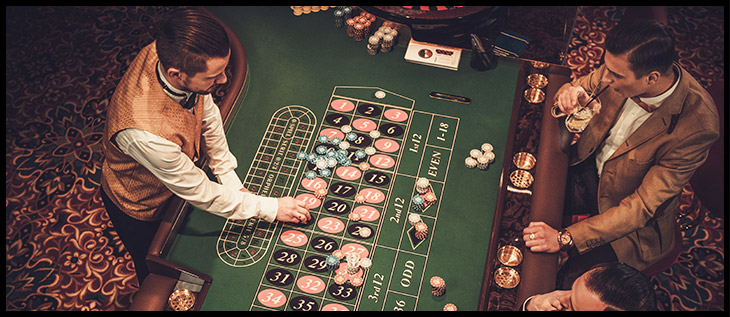
The golden age of gambling also saw the rise of casinos as social hubs, where high-stakes games attracted the wealthy elite. The allure of glamorous venues and the thrill of big wins created an environment where legends were born. The influence of these figures went beyond mere gambling; they shaped societal norms and contributed to the romanticism of the gambling lifestyle. Their tales of fortune and loss continue to inspire new generations of players, embodying the thrill of risk and the pursuit of success.
The Psychology of Legendary Gamblers
The psychology behind legendary gamblers is a fascinating area of study, revealing insights into what drives individuals to take risks. Many successful gamblers exhibit traits such as resilience, adaptability, and a keen understanding of probability. These psychological attributes enable them to make calculated decisions in high-pressure situations. For instance, legendary gamblers like Phil Ivey and Doyle Brunson often analyze their opponents’ behaviors and betting patterns, showcasing a psychological edge that sets them apart from casual players.
Moreover, the emotional aspect of gambling cannot be overlooked. The thrill of winning and the agony of loss create a unique psychological landscape that many legendary gamblers navigate expertly. Understanding how emotions influence decision-making can often determine the difference between a novice and a seasoned player. The legends who have managed to maintain their composure under pressure often come out on top, highlighting the importance of mental fortitude in the gambling arena.
Another crucial aspect is the concept of “tilt”—a term used to describe a state of emotional frustration that can lead to poor decision-making. Legendary gamblers often develop strategies to avoid tilt, allowing them to maintain focus and make rational choices. This understanding of psychological pitfalls has become a valuable lesson for casual players looking to improve their game. By studying the mindset of legendary gamblers, players can learn to harness their own psychological strengths and mitigate weaknesses, enhancing their overall gambling experience.
The Impact of Legends on Modern Gambling Culture
The stories of legendary gamblers have profoundly influenced modern gambling culture, shaping everything from casino design to the types of games that dominate the landscape. Their tales often serve as cautionary lessons about the risks and rewards of gambling. As new technologies emerge, the myths and legends surrounding these figures continue to captivate audiences, reminding us of the timeless nature of the gambler’s journey. Movies, books, and television shows frequently portray these characters, further embedding them into popular culture.
Modern gamblers often look to these legends for inspiration, examining their strategies and life choices. For instance, the rise of online poker has created a new generation of players who idolize figures like Chris Moneymaker, who famously won the World Series of Poker after qualifying through an online tournament. Moneymaker’s story exemplifies how technology has democratized gambling, making the path to legend more accessible to the average player.
Furthermore, the influence of legendary gamblers extends to the development of responsible gambling initiatives. Their stories often highlight the darker side of gambling, emphasizing the importance of moderation and self-awareness. This balance is crucial for the future of gambling culture, as both players and industry leaders seek to create an environment that celebrates the thrill of the game while promoting responsible gaming practices. The legacy of these legends serves as a powerful reminder of gambling’s dual nature, encompassing both the exhilaration of wins and the potential pitfalls of addiction.

Exploring Responsible Gambling and Resources
In today’s rapidly evolving gambling landscape, it’s vital to recognize the importance of responsible gambling. As the influence of legendary gamblers continues to shape the industry, resources have emerged to help players navigate their gaming experiences safely. With various online platforms offering insights and tools for responsible gaming, players are better equipped to enjoy gambling without falling into problematic patterns. These resources often include features like self-exclusion, betting limits, and educational materials on gambling addiction.
Moreover, the rise of online gambling has provided easy access to information regarding safe gambling practices. Many websites now offer guides and tips for casual players, helping them to understand the intricacies of various games and the importance of setting personal boundaries. By learning from the experiences of legendary gamblers and integrating modern resources, players can cultivate a healthier relationship with gambling.
As the landscape of gambling continues to change, it’s crucial for both players and industry stakeholders to prioritize responsible gaming. The stories of legendary gamblers serve as a reminder of the highs and lows associated with gambling, reinforcing the need for awareness and moderation. Through education and support, players can enjoy the thrill of the game while minimizing risks, ultimately leading to a more sustainable gambling environment for future generations.