Personalization of Mobile Apps for Health Behavior Change: Protocol for a Cross-sectional Study

Table 7 presents various works related to BCTs and is categorized based on their type, focus, use, research methodology, data collection methods, model used, and conclusions. The works cover a range of topics within the domain of BCTs, including health monitoring, privacy, behavior change, physical activity, and accuracy in various contexts such as medical, health, and learning. The conclusions drawn from each study provide valuable insights into the effectiveness and applicability of different BCTs for addressing specific challenges or achieving desired outcomes. A study by Takeuchi et al. [23] investigated the influence of wearable fitness trackers on physical activity levels and heart rate in a two-arm pilot trial.

healthy behavior change through apps

#5. Calm – Best for Meditation and Sleep Improvement

  • A specific focus is placed on a case study examining the application of behavior change techniques (BCTs) for monitoring vital signs using wearables, underscoring the relevance and urgency of further investigation in this critical intersection of technology and human behavior.
  • How lived experience, emotion, and development shape the choices people make.
  • This means apps that treat 21 days as a finish line are setting users up to feel like failures right when the real neurological work is just beginning.
  • Table 1 summarizes the systematic reviews conducted in the literature on the effectiveness of mHealth interventions with BCTs in distinct contexts and populations.
  • Therefore, the fact that most mental health app incorporated some form of personalization is not surprising considering that even people suffering from the same or similar mental health conditions may have unique needs that require individualized solutions.
  • The figure thus intricately weaves a tapestry of research and shows how different studies contribute varied yet interconnected insights into the expansive domain of wearables and their role in facilitating behavior change.

Additionally, 70.9% (90/127) of our sample identified as female; this could limit transferability to larger populations. It is also possible that our compensation strategy for participants influenced their adherence and attrition. While participants across conditions were all paid the same, it is possible that there was some interaction between compensation and self-affirmation that we cannot discern with this design.

4. Engagement measures

Some apps are specifically designed to be used with a coach to increase client autonomy and self-awareness, such as the Ate app, which has a coach dashboard. Choosing to intentionally cultivate an environment where your client can find their own way—with you being present and nonjudgmental rather than pressuring or pushing—will likely lead to their growth. The registered dietitians, fitness and tech experts in the Good Housekeeping Institute Wellness Lab evaluate apps in all sectors of health, including nutrition, wellness and fitness, carefully evaluating and considering tester responses. We look for apps that are user-friendly, contain up-to-date and effective information, are consistent in quality and are affordable. “Most apps offer a free trial, so you can give it a road test before committing to the full month or year subscription,” Sassos says.

Data Extraction

Nonadherence leads to considerable morbidity, mortality, and avoidable health care costs [9], and it may be caused by people’s intentional or unintentional behaviors. Intentional nonadherence refers to deciding not to report data based on the person’s perceptions such as incomplete disease-related knowledge. In contrast, unintentional nonadherence means that the person intends to report data but fails because of forgetfulness or carelessness.

Only 2 studies measured lifestyle changes in users of 2 commercially available apps. One trial [30] measured changes in health-related behaviors, sleep problems, and fatigue in airline pilots. It found that the intervention arm had a significant improvement in reducing the level of fatigue, improving sleep quality, increasing strenuous physical activity, and changing snacking behavior measures. The other lifestyle study was a three-arm trial to promote walking [40] that included 2 app groups, one using social motivation strategies and the other employing an individual motivation strategy, and a brochure-based control group. The 2 intervention groups both showed significant improvements in total walking time. Personalization emerged as the second most employed persuasive strategies in mental health apps.

In the realm of emerging solutions, information technologies have catalyzed groundbreaking advancements in promoting health and well-being, particularly through the proliferation of wearables and Internet of Things devices [77]. These innovative technologies are embedded with sensors and sophisticated data processing capabilities and hold immense potential to revolutionize behavior change interventions by offering personalized feedback and insights [78]. By harnessing behavior change techniques, wearables and IoT devices empower individuals to adopt healthier lifestyles and achieve sustainable behavior modifications.

Characteristics of Included Studies

During the study, participants discovered every functionality, one by one, by its representation in an image and accompanied by a short description. Then, they chose the 5 functionalities they considered to be the most motivating to stay fit. Participants were asked if they use mobile apps aiming at behavior change (such as to help them eat healthier or exercise) to find out if they were already familiar with mHealth apps and whether they already like certain functionalities. If so, we asked them to select which functionalities they used most often and which they never used. These questions allowed us to observe whether participants already familiar with mHealth prefer certain features, as well as whether they prefer the same features among the 17 proposed.

Persuasive Strategies in Other Health Domains

Testers appreciated the large food database, and that the app contains a community support feature and ways to swap recipes, although some describe it as limited. Whether you are new to meditation, intermediate or advanced, Headspace is your magic wand to putting you in a calmer, happier place. There are hundreds of mindfulness and breathing exercises to choose from, including ones geared toward improving anxiety to helping with focus and concentration with the soothing sounds of musician John Legend. Start with 3-minute meditations and build up to some of the longer practices if that’s your goal.

Study Design

Fooducate makes grocery shopping incredibly easy if you’re looking to sub out those not-so-good products for healthier options. Just scan the barcode on the food you are purchasing and you’ll get a personalized nutrition grade, pros and cons, and healthy alternatives to buy instead. Brought to you by Under Armour, Map My Walk provides you with the details on your walks and jogs with custom feedback on pace, distance, calorie burn, elevation and more.

Study Characteristics
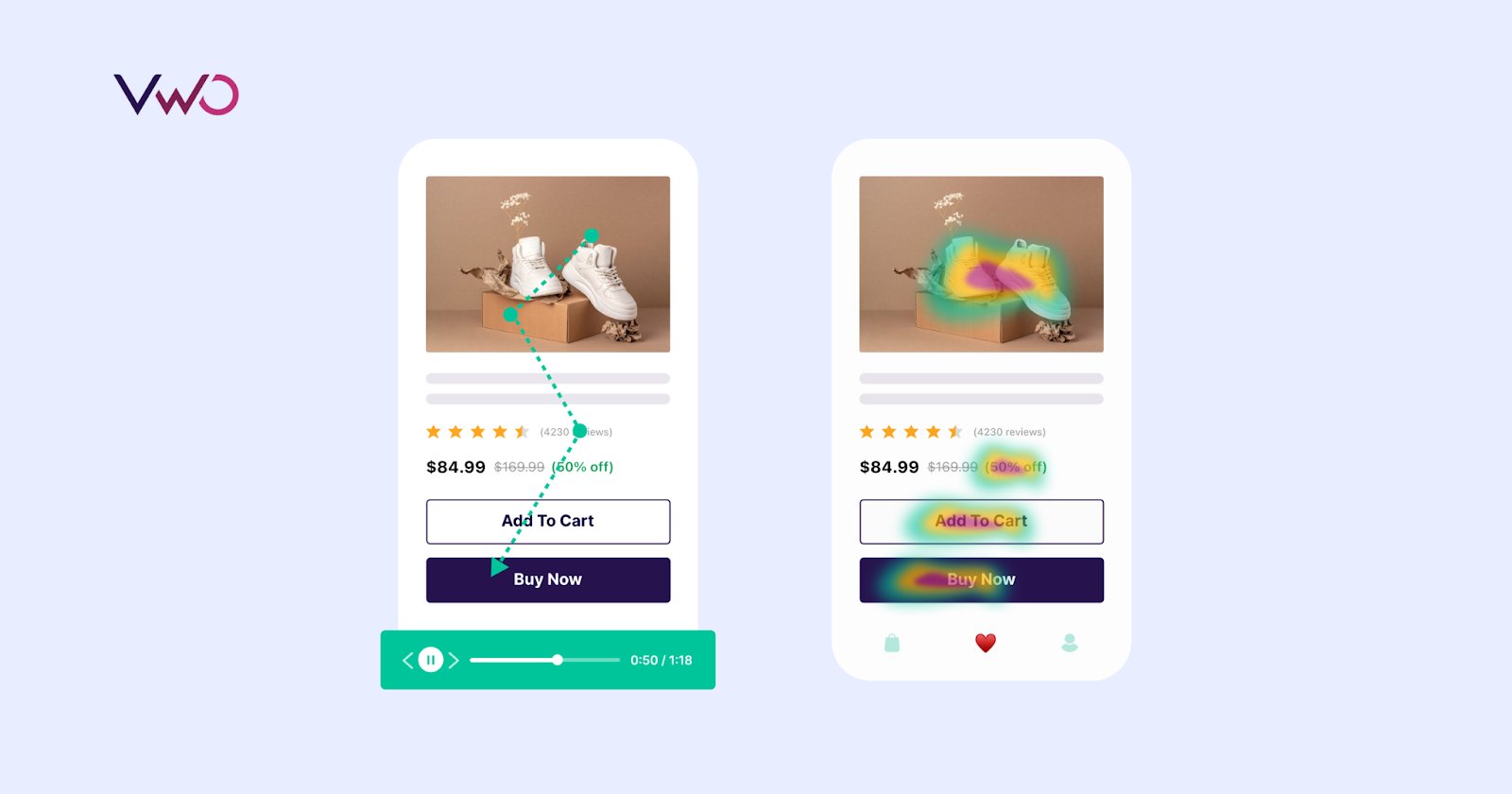
healthy behavior change through apps

This systematic review will summarize the current mobile app technologies and their effectiveness, usability, and coherence with behavior change theory. It will identify areas of improvement (where there is no evidence of efficacy) and help inform the development of more useful and engaging mobile health apps. Around one-quarter of the physical activity apps contained features allowing users to set their own goals or update these goals. Given the large number of physical activity apps on the market, this is a clear gap in app design, particularly given the large amount of research that has already been conducted on the importance of these features [23,35,36]. However, this is consistent with previous research which indicates that many of the physical activity apps on the market have limited behavior change features [37], and their features consist mainly of step-by-step instructions for particular exercises [35]. It is also disappointing to note that goal setting was missing from alcohol and tobacco cessation apps, given the importance of goal setting in decreasing negative https://madmuscles-review.com/workout-apps/madmuscles-trustpilot-reviews/ health behaviors [38,39].

Goals

Across all domains, there is no clear trend in variance linked to specific days of the week, signifying that the impact of days on behavioral change techniques is not uniform. This diverse range in variances underscores the complexity of human behavior and the challenges in predicting or influencing it through various techniques. Moreover, these findings suggest that the effectiveness of BCTs may vary considerably depending on the day and the specific domain in which they are applied, emphasizing the need for tailored approaches in behavior change interventions.

Table 6.

However, personalization, self-monitoring and reminder remain the most employed persuasive strategies in various mental health issues. Anxiety, stress, depression, and general mental health issues were the most issues the apps in this review target. A rising number of wearable activity trackers (WATs), including popular brands such as Fitbit, Xiaomi, Garmin, and Samsung Gear Fit. Garmin is an American multinational company headquartered in Olathe, Kansas, USA.

Ancillary to the main reporting page were the exercises that were delivered once per week (on days 5, 12, 19, and 26) to participants in the booster conditions. Users received a push notification that there were questions for them to answer in the app. On tapping the notification or manually opening the app, they were greeted with a pop-up window that asked them questions. For the groups receiving self-affirmation boosters, the self-affirming questions were shown in this pop-up window, whereas controls were shown unrelated opinion questions. Trying to change often becomes a forceful inner struggle between higher-level cognitive control processes and lower-level automatic or habitual tendencies.

For example, a user who completes 5 modules in a program will obtain 100% usage on the modules’ metric of usage. However, if these modules were supposed to be completed weekly and the user only completed 3 of these on time, the user achieved 60% on the modules’ adherence metric. On the other hand, if a user completes all the activities in an app by the time they are scheduled, the user adherence is 100% [7].

Table 2 shows the patterns of participants’ smartphone use for a variety of activities. The most frequently performed activities included accessing the internet, using apps, and sending or receiving text messages. The aim of this paper is to describe the development, usability, and acceptability of the Health4Life app, a self-monitoring smartphone app for adolescents that concurrently targets the Big 6 lifestyle behaviors. The Headspace app uses mindfulness and meditation tools and resources to help you live a more mindful life. These practices are designed to support your mental well-being by helping relax your mind and establish positive, healthy habits.
Personalization of Mobile Apps for Health Behavior Change: Protocol for a Cross-sectional Study

Table 7 presents various works related to BCTs and is categorized based on their type, focus, use, research methodology, data collection methods, model used, and conclusions. The works cover a range of topics within the domain of BCTs, including health monitoring, privacy, behavior change, physical activity, and accuracy in various contexts such as medical, health, and learning. The conclusions drawn from each study provide valuable insights into the effectiveness and applicability of different BCTs for addressing specific challenges or achieving desired outcomes. A study by Takeuchi et al. [23] investigated the influence of wearable fitness trackers on physical activity levels and heart rate in a two-arm pilot trial.

healthy behavior change through apps

#5. Calm – Best for Meditation and Sleep Improvement

  • A specific focus is placed on a case study examining the application of behavior change techniques (BCTs) for monitoring vital signs using wearables, underscoring the relevance and urgency of further investigation in this critical intersection of technology and human behavior.
  • How lived experience, emotion, and development shape the choices people make.
  • This means apps that treat 21 days as a finish line are setting users up to feel like failures right when the real neurological work is just beginning.
  • Table 1 summarizes the systematic reviews conducted in the literature on the effectiveness of mHealth interventions with BCTs in distinct contexts and populations.
  • Therefore, the fact that most mental health app incorporated some form of personalization is not surprising considering that even people suffering from the same or similar mental health conditions may have unique needs that require individualized solutions.
  • The figure thus intricately weaves a tapestry of research and shows how different studies contribute varied yet interconnected insights into the expansive domain of wearables and their role in facilitating behavior change.

Additionally, 70.9% (90/127) of our sample identified as female; this could limit transferability to larger populations. It is also possible that our compensation strategy for participants influenced their adherence and attrition. While participants across conditions were all paid the same, it is possible that there was some interaction between compensation and self-affirmation that we cannot discern with this design.

4. Engagement measures

Some apps are specifically designed to be used with a coach to increase client autonomy and self-awareness, such as the Ate app, which has a coach dashboard. Choosing to intentionally cultivate an environment where your client can find their own way—with you being present and nonjudgmental rather than pressuring or pushing—will likely lead to their growth. The registered dietitians, fitness and tech experts in the Good Housekeeping Institute Wellness Lab evaluate apps in all sectors of health, including nutrition, wellness and fitness, carefully evaluating and considering tester responses. We look for apps that are user-friendly, contain up-to-date and effective information, are consistent in quality and are affordable. “Most apps offer a free trial, so you can give it a road test before committing to the full month or year subscription,” Sassos says.

Data Extraction

Nonadherence leads to considerable morbidity, mortality, and avoidable health care costs [9], and it may be caused by people’s intentional or unintentional behaviors. Intentional nonadherence refers to deciding not to report data based on the person’s perceptions such as incomplete disease-related knowledge. In contrast, unintentional nonadherence means that the person intends to report data but fails because of forgetfulness or carelessness.

Only 2 studies measured lifestyle changes in users of 2 commercially available apps. One trial [30] measured changes in health-related behaviors, sleep problems, and fatigue in airline pilots. It found that the intervention arm had a significant improvement in reducing the level of fatigue, improving sleep quality, increasing strenuous physical activity, and changing snacking behavior measures. The other lifestyle study was a three-arm trial to promote walking [40] that included 2 app groups, one using social motivation strategies and the other employing an individual motivation strategy, and a brochure-based control group. The 2 intervention groups both showed significant improvements in total walking time. Personalization emerged as the second most employed persuasive strategies in mental health apps.

In the realm of emerging solutions, information technologies have catalyzed groundbreaking advancements in promoting health and well-being, particularly through the proliferation of wearables and Internet of Things devices [77]. These innovative technologies are embedded with sensors and sophisticated data processing capabilities and hold immense potential to revolutionize behavior change interventions by offering personalized feedback and insights [78]. By harnessing behavior change techniques, wearables and IoT devices empower individuals to adopt healthier lifestyles and achieve sustainable behavior modifications.

Characteristics of Included Studies

During the study, participants discovered every functionality, one by one, by its representation in an image and accompanied by a short description. Then, they chose the 5 functionalities they considered to be the most motivating to stay fit. Participants were asked if they use mobile apps aiming at behavior change (such as to help them eat healthier or exercise) to find out if they were already familiar with mHealth apps and whether they already like certain functionalities. If so, we asked them to select which functionalities they used most often and which they never used. These questions allowed us to observe whether participants already familiar with mHealth prefer certain features, as well as whether they prefer the same features among the 17 proposed.

Persuasive Strategies in Other Health Domains

Testers appreciated the large food database, and that the app contains a community support feature and ways to swap recipes, although some describe it as limited. Whether you are new to meditation, intermediate or advanced, Headspace is your magic wand to putting you in a calmer, happier place. There are hundreds of mindfulness and breathing exercises to choose from, including ones geared toward improving anxiety to helping with focus and concentration with the soothing sounds of musician John Legend. Start with 3-minute meditations and build up to some of the longer practices if that’s your goal.

Study Design

Fooducate makes grocery shopping incredibly easy if you’re looking to sub out those not-so-good products for healthier options. Just scan the barcode on the food you are purchasing and you’ll get a personalized nutrition grade, pros and cons, and healthy alternatives to buy instead. Brought to you by Under Armour, Map My Walk provides you with the details on your walks and jogs with custom feedback on pace, distance, calorie burn, elevation and more.

Study Characteristics

healthy behavior change through apps

This systematic review will summarize the current mobile app technologies and their effectiveness, usability, and coherence with behavior change theory. It will identify areas of improvement (where there is no evidence of efficacy) and help inform the development of more useful and engaging mobile health apps. Around one-quarter of the physical activity apps contained features allowing users to set their own goals or update these goals. Given the large number of physical activity apps on the market, this is a clear gap in app design, particularly given the large amount of research that has already been conducted on the importance of these features [23,35,36]. However, this is consistent with previous research which indicates that many of the physical activity apps on the market have limited behavior change features [37], and their features consist mainly of step-by-step instructions for particular exercises [35]. It is also disappointing to note that goal setting was missing from alcohol and tobacco cessation apps, given the importance of goal setting in decreasing negative https://madmuscles-review.com/workout-apps/madmuscles-trustpilot-reviews/ health behaviors [38,39].

Goals

Across all domains, there is no clear trend in variance linked to specific days of the week, signifying that the impact of days on behavioral change techniques is not uniform. This diverse range in variances underscores the complexity of human behavior and the challenges in predicting or influencing it through various techniques. Moreover, these findings suggest that the effectiveness of BCTs may vary considerably depending on the day and the specific domain in which they are applied, emphasizing the need for tailored approaches in behavior change interventions.

Table 6.

However, personalization, self-monitoring and reminder remain the most employed persuasive strategies in various mental health issues. Anxiety, stress, depression, and general mental health issues were the most issues the apps in this review target. A rising number of wearable activity trackers (WATs), including popular brands such as Fitbit, Xiaomi, Garmin, and Samsung Gear Fit. Garmin is an American multinational company headquartered in Olathe, Kansas, USA.

Ancillary to the main reporting page were the exercises that were delivered once per week (on days 5, 12, 19, and 26) to participants in the booster conditions. Users received a push notification that there were questions for them to answer in the app. On tapping the notification or manually opening the app, they were greeted with a pop-up window that asked them questions. For the groups receiving self-affirmation boosters, the self-affirming questions were shown in this pop-up window, whereas controls were shown unrelated opinion questions. Trying to change often becomes a forceful inner struggle between higher-level cognitive control processes and lower-level automatic or habitual tendencies.

For example, a user who completes 5 modules in a program will obtain 100% usage on the modules’ metric of usage. However, if these modules were supposed to be completed weekly and the user only completed 3 of these on time, the user achieved 60% on the modules’ adherence metric. On the other hand, if a user completes all the activities in an app by the time they are scheduled, the user adherence is 100% [7].

Table 2 shows the patterns of participants’ smartphone use for a variety of activities. The most frequently performed activities included accessing the internet, using apps, and sending or receiving text messages. The aim of this paper is to describe the development, usability, and acceptability of the Health4Life app, a self-monitoring smartphone app for adolescents that concurrently targets the Big 6 lifestyle behaviors. The Headspace app uses mindfulness and meditation tools and resources to help you live a more mindful life. These practices are designed to support your mental well-being by helping relax your mind and establish positive, healthy habits.

Personalization of Mobile Apps for Health Behavior Change: Protocol for a Cross-sectional Study

Table 7 presents various works related to BCTs and is categorized based on their type, focus, use, research methodology, data collection methods, model used, and conclusions. The works cover a range of topics within the domain of BCTs, including health monitoring, privacy, behavior change, physical activity, and accuracy in various contexts such as medical, health, and learning. The conclusions drawn from each study provide valuable insights into the effectiveness and applicability of different BCTs for addressing specific challenges or achieving desired outcomes. A study by Takeuchi et al. [23] investigated the influence of wearable fitness trackers on physical activity levels and heart rate in a two-arm pilot trial.

healthy behavior change through apps

#5. Calm – Best for Meditation and Sleep Improvement

  • A specific focus is placed on a case study examining the application of behavior change techniques (BCTs) for monitoring vital signs using wearables, underscoring the relevance and urgency of further investigation in this critical intersection of technology and human behavior.
  • How lived experience, emotion, and development shape the choices people make.
  • This means apps that treat 21 days as a finish line are setting users up to feel like failures right when the real neurological work is just beginning.
  • Table 1 summarizes the systematic reviews conducted in the literature on the effectiveness of mHealth interventions with BCTs in distinct contexts and populations.
  • Therefore, the fact that most mental health app incorporated some form of personalization is not surprising considering that even people suffering from the same or similar mental health conditions may have unique needs that require individualized solutions.
  • The figure thus intricately weaves a tapestry of research and shows how different studies contribute varied yet interconnected insights into the expansive domain of wearables and their role in facilitating behavior change.

Additionally, 70.9% (90/127) of our sample identified as female; this could limit transferability to larger populations. It is also possible that our compensation strategy for participants influenced their adherence and attrition. While participants across conditions were all paid the same, it is possible that there was some interaction between compensation and self-affirmation that we cannot discern with this design.

4. Engagement measures

Some apps are specifically designed to be used with a coach to increase client autonomy and self-awareness, such as the Ate app, which has a coach dashboard. Choosing to intentionally cultivate an environment where your client can find their own way—with you being present and nonjudgmental rather than pressuring or pushing—will likely lead to their growth. The registered dietitians, fitness and tech experts in the Good Housekeeping Institute Wellness Lab evaluate apps in all sectors of health, including nutrition, wellness and fitness, carefully evaluating and considering tester responses. We look for apps that are user-friendly, contain up-to-date and effective information, are consistent in quality and are affordable. “Most apps offer a free trial, so you can give it a road test before committing to the full month or year subscription,” Sassos says.

Data Extraction

Nonadherence leads to considerable morbidity, mortality, and avoidable health care costs [9], and it may be caused by people’s intentional or unintentional behaviors. Intentional nonadherence refers to deciding not to report data based on the person’s perceptions such as incomplete disease-related knowledge. In contrast, unintentional nonadherence means that the person intends to report data but fails because of forgetfulness or carelessness.

Only 2 studies measured lifestyle changes in users of 2 commercially available apps. One trial [30] measured changes in health-related behaviors, sleep problems, and fatigue in airline pilots. It found that the intervention arm had a significant improvement in reducing the level of fatigue, improving sleep quality, increasing strenuous physical activity, and changing snacking behavior measures. The other lifestyle study was a three-arm trial to promote walking [40] that included 2 app groups, one using social motivation strategies and the other employing an individual motivation strategy, and a brochure-based control group. The 2 intervention groups both showed significant improvements in total walking time. Personalization emerged as the second most employed persuasive strategies in mental health apps.

In the realm of emerging solutions, information technologies have catalyzed groundbreaking advancements in promoting health and well-being, particularly through the proliferation of wearables and Internet of Things devices [77]. These innovative technologies are embedded with sensors and sophisticated data processing capabilities and hold immense potential to revolutionize behavior change interventions by offering personalized feedback and insights [78]. By harnessing behavior change techniques, wearables and IoT devices empower individuals to adopt healthier lifestyles and achieve sustainable behavior modifications.

Characteristics of Included Studies

During the study, participants discovered every functionality, one by one, by its representation in an image and accompanied by a short description. Then, they chose the 5 functionalities they considered to be the most motivating to stay fit. Participants were asked if they use mobile apps aiming at behavior change (such as to help them eat healthier or exercise) to find out if they were already familiar with mHealth apps and whether they already like certain functionalities. If so, we asked them to select which functionalities they used most often and which they never used. These questions allowed us to observe whether participants already familiar with mHealth prefer certain features, as well as whether they prefer the same features among the 17 proposed.

Persuasive Strategies in Other Health Domains

Testers appreciated the large food database, and that the app contains a community support feature and ways to swap recipes, although some describe it as limited. Whether you are new to meditation, intermediate or advanced, Headspace is your magic wand to putting you in a calmer, happier place. There are hundreds of mindfulness and breathing exercises to choose from, including ones geared toward improving anxiety to helping with focus and concentration with the soothing sounds of musician John Legend. Start with 3-minute meditations and build up to some of the longer practices if that’s your goal.

Study Design

Fooducate makes grocery shopping incredibly easy if you’re looking to sub out those not-so-good products for healthier options. Just scan the barcode on the food you are purchasing and you’ll get a personalized nutrition grade, pros and cons, and healthy alternatives to buy instead. Brought to you by Under Armour, Map My Walk provides you with the details on your walks and jogs with custom feedback on pace, distance, calorie burn, elevation and more.

Study Characteristics

healthy behavior change through apps

This systematic review will summarize the current mobile app technologies and their effectiveness, usability, and coherence with behavior change theory. It will identify areas of improvement (where there is no evidence of efficacy) and help inform the development of more useful and engaging mobile health apps. Around one-quarter of the physical activity apps contained features allowing users to set their own goals or update these goals. Given the large number of physical activity apps on the market, this is a clear gap in app design, particularly given the large amount of research that has already been conducted on the importance of these features [23,35,36]. However, this is consistent with previous research which indicates that many of the physical activity apps on the market have limited behavior change features [37], and their features consist mainly of step-by-step instructions for particular exercises [35]. It is also disappointing to note that goal setting was missing from alcohol and tobacco cessation apps, given the importance of goal setting in decreasing negative https://madmuscles-review.com/workout-apps/madmuscles-trustpilot-reviews/ health behaviors [38,39].

Goals

Across all domains, there is no clear trend in variance linked to specific days of the week, signifying that the impact of days on behavioral change techniques is not uniform. This diverse range in variances underscores the complexity of human behavior and the challenges in predicting or influencing it through various techniques. Moreover, these findings suggest that the effectiveness of BCTs may vary considerably depending on the day and the specific domain in which they are applied, emphasizing the need for tailored approaches in behavior change interventions.

Table 6.

However, personalization, self-monitoring and reminder remain the most employed persuasive strategies in various mental health issues. Anxiety, stress, depression, and general mental health issues were the most issues the apps in this review target. A rising number of wearable activity trackers (WATs), including popular brands such as Fitbit, Xiaomi, Garmin, and Samsung Gear Fit. Garmin is an American multinational company headquartered in Olathe, Kansas, USA.

Ancillary to the main reporting page were the exercises that were delivered once per week (on days 5, 12, 19, and 26) to participants in the booster conditions. Users received a push notification that there were questions for them to answer in the app. On tapping the notification or manually opening the app, they were greeted with a pop-up window that asked them questions. For the groups receiving self-affirmation boosters, the self-affirming questions were shown in this pop-up window, whereas controls were shown unrelated opinion questions. Trying to change often becomes a forceful inner struggle between higher-level cognitive control processes and lower-level automatic or habitual tendencies.

For example, a user who completes 5 modules in a program will obtain 100% usage on the modules’ metric of usage. However, if these modules were supposed to be completed weekly and the user only completed 3 of these on time, the user achieved 60% on the modules’ adherence metric. On the other hand, if a user completes all the activities in an app by the time they are scheduled, the user adherence is 100% [7].

Table 2 shows the patterns of participants’ smartphone use for a variety of activities. The most frequently performed activities included accessing the internet, using apps, and sending or receiving text messages. The aim of this paper is to describe the development, usability, and acceptability of the Health4Life app, a self-monitoring smartphone app for adolescents that concurrently targets the Big 6 lifestyle behaviors. The Headspace app uses mindfulness and meditation tools and resources to help you live a more mindful life. These practices are designed to support your mental well-being by helping relax your mind and establish positive, healthy habits.

Personalization of Mobile Apps for Health Behavior Change: Protocol for a Cross-sectional Study

Table 7 presents various works related to BCTs and is categorized based on their type, focus, use, research methodology, data collection methods, model used, and conclusions. The works cover a range of topics within the domain of BCTs, including health monitoring, privacy, behavior change, physical activity, and accuracy in various contexts such as medical, health, and learning. The conclusions drawn from each study provide valuable insights into the effectiveness and applicability of different BCTs for addressing specific challenges or achieving desired outcomes. A study by Takeuchi et al. [23] investigated the influence of wearable fitness trackers on physical activity levels and heart rate in a two-arm pilot trial.

healthy behavior change through apps

#5. Calm – Best for Meditation and Sleep Improvement

  • A specific focus is placed on a case study examining the application of behavior change techniques (BCTs) for monitoring vital signs using wearables, underscoring the relevance and urgency of further investigation in this critical intersection of technology and human behavior.
  • How lived experience, emotion, and development shape the choices people make.
  • This means apps that treat 21 days as a finish line are setting users up to feel like failures right when the real neurological work is just beginning.
  • Table 1 summarizes the systematic reviews conducted in the literature on the effectiveness of mHealth interventions with BCTs in distinct contexts and populations.
  • Therefore, the fact that most mental health app incorporated some form of personalization is not surprising considering that even people suffering from the same or similar mental health conditions may have unique needs that require individualized solutions.
  • The figure thus intricately weaves a tapestry of research and shows how different studies contribute varied yet interconnected insights into the expansive domain of wearables and their role in facilitating behavior change.

Additionally, 70.9% (90/127) of our sample identified as female; this could limit transferability to larger populations. It is also possible that our compensation strategy for participants influenced their adherence and attrition. While participants across conditions were all paid the same, it is possible that there was some interaction between compensation and self-affirmation that we cannot discern with this design.

4. Engagement measures

Some apps are specifically designed to be used with a coach to increase client autonomy and self-awareness, such as the Ate app, which has a coach dashboard. Choosing to intentionally cultivate an environment where your client can find their own way—with you being present and nonjudgmental rather than pressuring or pushing—will likely lead to their growth. The registered dietitians, fitness and tech experts in the Good Housekeeping Institute Wellness Lab evaluate apps in all sectors of health, including nutrition, wellness and fitness, carefully evaluating and considering tester responses. We look for apps that are user-friendly, contain up-to-date and effective information, are consistent in quality and are affordable. “Most apps offer a free trial, so you can give it a road test before committing to the full month or year subscription,” Sassos says.

Data Extraction

Nonadherence leads to considerable morbidity, mortality, and avoidable health care costs [9], and it may be caused by people’s intentional or unintentional behaviors. Intentional nonadherence refers to deciding not to report data based on the person’s perceptions such as incomplete disease-related knowledge. In contrast, unintentional nonadherence means that the person intends to report data but fails because of forgetfulness or carelessness.

Only 2 studies measured lifestyle changes in users of 2 commercially available apps. One trial [30] measured changes in health-related behaviors, sleep problems, and fatigue in airline pilots. It found that the intervention arm had a significant improvement in reducing the level of fatigue, improving sleep quality, increasing strenuous physical activity, and changing snacking behavior measures. The other lifestyle study was a three-arm trial to promote walking [40] that included 2 app groups, one using social motivation strategies and the other employing an individual motivation strategy, and a brochure-based control group. The 2 intervention groups both showed significant improvements in total walking time. Personalization emerged as the second most employed persuasive strategies in mental health apps.

In the realm of emerging solutions, information technologies have catalyzed groundbreaking advancements in promoting health and well-being, particularly through the proliferation of wearables and Internet of Things devices [77]. These innovative technologies are embedded with sensors and sophisticated data processing capabilities and hold immense potential to revolutionize behavior change interventions by offering personalized feedback and insights [78]. By harnessing behavior change techniques, wearables and IoT devices empower individuals to adopt healthier lifestyles and achieve sustainable behavior modifications.

Characteristics of Included Studies

During the study, participants discovered every functionality, one by one, by its representation in an image and accompanied by a short description. Then, they chose the 5 functionalities they considered to be the most motivating to stay fit. Participants were asked if they use mobile apps aiming at behavior change (such as to help them eat healthier or exercise) to find out if they were already familiar with mHealth apps and whether they already like certain functionalities. If so, we asked them to select which functionalities they used most often and which they never used. These questions allowed us to observe whether participants already familiar with mHealth prefer certain features, as well as whether they prefer the same features among the 17 proposed.

Persuasive Strategies in Other Health Domains

Testers appreciated the large food database, and that the app contains a community support feature and ways to swap recipes, although some describe it as limited. Whether you are new to meditation, intermediate or advanced, Headspace is your magic wand to putting you in a calmer, happier place. There are hundreds of mindfulness and breathing exercises to choose from, including ones geared toward improving anxiety to helping with focus and concentration with the soothing sounds of musician John Legend. Start with 3-minute meditations and build up to some of the longer practices if that’s your goal.

Study Design

Fooducate makes grocery shopping incredibly easy if you’re looking to sub out those not-so-good products for healthier options. Just scan the barcode on the food you are purchasing and you’ll get a personalized nutrition grade, pros and cons, and healthy alternatives to buy instead. Brought to you by Under Armour, Map My Walk provides you with the details on your walks and jogs with custom feedback on pace, distance, calorie burn, elevation and more.

Study Characteristics

healthy behavior change through apps

This systematic review will summarize the current mobile app technologies and their effectiveness, usability, and coherence with behavior change theory. It will identify areas of improvement (where there is no evidence of efficacy) and help inform the development of more useful and engaging mobile health apps. Around one-quarter of the physical activity apps contained features allowing users to set their own goals or update these goals. Given the large number of physical activity apps on the market, this is a clear gap in app design, particularly given the large amount of research that has already been conducted on the importance of these features [23,35,36]. However, this is consistent with previous research which indicates that many of the physical activity apps on the market have limited behavior change features [37], and their features consist mainly of step-by-step instructions for particular exercises [35]. It is also disappointing to note that goal setting was missing from alcohol and tobacco cessation apps, given the importance of goal setting in decreasing negative https://madmuscles-review.com/workout-apps/madmuscles-trustpilot-reviews/ health behaviors [38,39].

Goals

Across all domains, there is no clear trend in variance linked to specific days of the week, signifying that the impact of days on behavioral change techniques is not uniform. This diverse range in variances underscores the complexity of human behavior and the challenges in predicting or influencing it through various techniques. Moreover, these findings suggest that the effectiveness of BCTs may vary considerably depending on the day and the specific domain in which they are applied, emphasizing the need for tailored approaches in behavior change interventions.

Table 6.

However, personalization, self-monitoring and reminder remain the most employed persuasive strategies in various mental health issues. Anxiety, stress, depression, and general mental health issues were the most issues the apps in this review target. A rising number of wearable activity trackers (WATs), including popular brands such as Fitbit, Xiaomi, Garmin, and Samsung Gear Fit. Garmin is an American multinational company headquartered in Olathe, Kansas, USA.

Ancillary to the main reporting page were the exercises that were delivered once per week (on days 5, 12, 19, and 26) to participants in the booster conditions. Users received a push notification that there were questions for them to answer in the app. On tapping the notification or manually opening the app, they were greeted with a pop-up window that asked them questions. For the groups receiving self-affirmation boosters, the self-affirming questions were shown in this pop-up window, whereas controls were shown unrelated opinion questions. Trying to change often becomes a forceful inner struggle between higher-level cognitive control processes and lower-level automatic or habitual tendencies.

For example, a user who completes 5 modules in a program will obtain 100% usage on the modules’ metric of usage. However, if these modules were supposed to be completed weekly and the user only completed 3 of these on time, the user achieved 60% on the modules’ adherence metric. On the other hand, if a user completes all the activities in an app by the time they are scheduled, the user adherence is 100% [7].

Table 2 shows the patterns of participants’ smartphone use for a variety of activities. The most frequently performed activities included accessing the internet, using apps, and sending or receiving text messages. The aim of this paper is to describe the development, usability, and acceptability of the Health4Life app, a self-monitoring smartphone app for adolescents that concurrently targets the Big 6 lifestyle behaviors. The Headspace app uses mindfulness and meditation tools and resources to help you live a more mindful life. These practices are designed to support your mental well-being by helping relax your mind and establish positive, healthy habits.

Personalization of Mobile Apps for Health Behavior Change: Protocol for a Cross-sectional Study

Table 7 presents various works related to BCTs and is categorized based on their type, focus, use, research methodology, data collection methods, model used, and conclusions. The works cover a range of topics within the domain of BCTs, including health monitoring, privacy, behavior change, physical activity, and accuracy in various contexts such as medical, health, and learning. The conclusions drawn from each study provide valuable insights into the effectiveness and applicability of different BCTs for addressing specific challenges or achieving desired outcomes. A study by Takeuchi et al. [23] investigated the influence of wearable fitness trackers on physical activity levels and heart rate in a two-arm pilot trial.

healthy behavior change through apps

#5. Calm – Best for Meditation and Sleep Improvement

  • A specific focus is placed on a case study examining the application of behavior change techniques (BCTs) for monitoring vital signs using wearables, underscoring the relevance and urgency of further investigation in this critical intersection of technology and human behavior.
  • How lived experience, emotion, and development shape the choices people make.
  • This means apps that treat 21 days as a finish line are setting users up to feel like failures right when the real neurological work is just beginning.
  • Table 1 summarizes the systematic reviews conducted in the literature on the effectiveness of mHealth interventions with BCTs in distinct contexts and populations.
  • Therefore, the fact that most mental health app incorporated some form of personalization is not surprising considering that even people suffering from the same or similar mental health conditions may have unique needs that require individualized solutions.
  • The figure thus intricately weaves a tapestry of research and shows how different studies contribute varied yet interconnected insights into the expansive domain of wearables and their role in facilitating behavior change.

Additionally, 70.9% (90/127) of our sample identified as female; this could limit transferability to larger populations. It is also possible that our compensation strategy for participants influenced their adherence and attrition. While participants across conditions were all paid the same, it is possible that there was some interaction between compensation and self-affirmation that we cannot discern with this design.

4. Engagement measures

Some apps are specifically designed to be used with a coach to increase client autonomy and self-awareness, such as the Ate app, which has a coach dashboard. Choosing to intentionally cultivate an environment where your client can find their own way—with you being present and nonjudgmental rather than pressuring or pushing—will likely lead to their growth. The registered dietitians, fitness and tech experts in the Good Housekeeping Institute Wellness Lab evaluate apps in all sectors of health, including nutrition, wellness and fitness, carefully evaluating and considering tester responses. We look for apps that are user-friendly, contain up-to-date and effective information, are consistent in quality and are affordable. “Most apps offer a free trial, so you can give it a road test before committing to the full month or year subscription,” Sassos says.

Data Extraction

Nonadherence leads to considerable morbidity, mortality, and avoidable health care costs [9], and it may be caused by people’s intentional or unintentional behaviors. Intentional nonadherence refers to deciding not to report data based on the person’s perceptions such as incomplete disease-related knowledge. In contrast, unintentional nonadherence means that the person intends to report data but fails because of forgetfulness or carelessness.

Only 2 studies measured lifestyle changes in users of 2 commercially available apps. One trial [30] measured changes in health-related behaviors, sleep problems, and fatigue in airline pilots. It found that the intervention arm had a significant improvement in reducing the level of fatigue, improving sleep quality, increasing strenuous physical activity, and changing snacking behavior measures. The other lifestyle study was a three-arm trial to promote walking [40] that included 2 app groups, one using social motivation strategies and the other employing an individual motivation strategy, and a brochure-based control group. The 2 intervention groups both showed significant improvements in total walking time. Personalization emerged as the second most employed persuasive strategies in mental health apps.

In the realm of emerging solutions, information technologies have catalyzed groundbreaking advancements in promoting health and well-being, particularly through the proliferation of wearables and Internet of Things devices [77]. These innovative technologies are embedded with sensors and sophisticated data processing capabilities and hold immense potential to revolutionize behavior change interventions by offering personalized feedback and insights [78]. By harnessing behavior change techniques, wearables and IoT devices empower individuals to adopt healthier lifestyles and achieve sustainable behavior modifications.

Characteristics of Included Studies

During the study, participants discovered every functionality, one by one, by its representation in an image and accompanied by a short description. Then, they chose the 5 functionalities they considered to be the most motivating to stay fit. Participants were asked if they use mobile apps aiming at behavior change (such as to help them eat healthier or exercise) to find out if they were already familiar with mHealth apps and whether they already like certain functionalities. If so, we asked them to select which functionalities they used most often and which they never used. These questions allowed us to observe whether participants already familiar with mHealth prefer certain features, as well as whether they prefer the same features among the 17 proposed.

Persuasive Strategies in Other Health Domains

Testers appreciated the large food database, and that the app contains a community support feature and ways to swap recipes, although some describe it as limited. Whether you are new to meditation, intermediate or advanced, Headspace is your magic wand to putting you in a calmer, happier place. There are hundreds of mindfulness and breathing exercises to choose from, including ones geared toward improving anxiety to helping with focus and concentration with the soothing sounds of musician John Legend. Start with 3-minute meditations and build up to some of the longer practices if that’s your goal.

Study Design

Fooducate makes grocery shopping incredibly easy if you’re looking to sub out those not-so-good products for healthier options. Just scan the barcode on the food you are purchasing and you’ll get a personalized nutrition grade, pros and cons, and healthy alternatives to buy instead. Brought to you by Under Armour, Map My Walk provides you with the details on your walks and jogs with custom feedback on pace, distance, calorie burn, elevation and more.

Study Characteristics

healthy behavior change through apps

This systematic review will summarize the current mobile app technologies and their effectiveness, usability, and coherence with behavior change theory. It will identify areas of improvement (where there is no evidence of efficacy) and help inform the development of more useful and engaging mobile health apps. Around one-quarter of the physical activity apps contained features allowing users to set their own goals or update these goals. Given the large number of physical activity apps on the market, this is a clear gap in app design, particularly given the large amount of research that has already been conducted on the importance of these features [23,35,36]. However, this is consistent with previous research which indicates that many of the physical activity apps on the market have limited behavior change features [37], and their features consist mainly of step-by-step instructions for particular exercises [35]. It is also disappointing to note that goal setting was missing from alcohol and tobacco cessation apps, given the importance of goal setting in decreasing negative https://madmuscles-review.com/workout-apps/madmuscles-trustpilot-reviews/ health behaviors [38,39].

Goals

Across all domains, there is no clear trend in variance linked to specific days of the week, signifying that the impact of days on behavioral change techniques is not uniform. This diverse range in variances underscores the complexity of human behavior and the challenges in predicting or influencing it through various techniques. Moreover, these findings suggest that the effectiveness of BCTs may vary considerably depending on the day and the specific domain in which they are applied, emphasizing the need for tailored approaches in behavior change interventions.

Table 6.

However, personalization, self-monitoring and reminder remain the most employed persuasive strategies in various mental health issues. Anxiety, stress, depression, and general mental health issues were the most issues the apps in this review target. A rising number of wearable activity trackers (WATs), including popular brands such as Fitbit, Xiaomi, Garmin, and Samsung Gear Fit. Garmin is an American multinational company headquartered in Olathe, Kansas, USA.

Ancillary to the main reporting page were the exercises that were delivered once per week (on days 5, 12, 19, and 26) to participants in the booster conditions. Users received a push notification that there were questions for them to answer in the app. On tapping the notification or manually opening the app, they were greeted with a pop-up window that asked them questions. For the groups receiving self-affirmation boosters, the self-affirming questions were shown in this pop-up window, whereas controls were shown unrelated opinion questions. Trying to change often becomes a forceful inner struggle between higher-level cognitive control processes and lower-level automatic or habitual tendencies.

For example, a user who completes 5 modules in a program will obtain 100% usage on the modules’ metric of usage. However, if these modules were supposed to be completed weekly and the user only completed 3 of these on time, the user achieved 60% on the modules’ adherence metric. On the other hand, if a user completes all the activities in an app by the time they are scheduled, the user adherence is 100% [7].

Table 2 shows the patterns of participants’ smartphone use for a variety of activities. The most frequently performed activities included accessing the internet, using apps, and sending or receiving text messages. The aim of this paper is to describe the development, usability, and acceptability of the Health4Life app, a self-monitoring smartphone app for adolescents that concurrently targets the Big 6 lifestyle behaviors. The Headspace app uses mindfulness and meditation tools and resources to help you live a more mindful life. These practices are designed to support your mental well-being by helping relax your mind and establish positive, healthy habits.

The Best Workouts Apps for iOS and Android Smartphones in 2025

His YouTube workouts are tailored to true beginners, so they aren’t fancy, but every exercise is highly functional. We know how hard it can be to find the motivation to build healthy long-term habits. Our Start TODAY mindfulness experts give you daily encouragement to stay on track and reach your goals.

Asana Rebel: Fitness Meets Mindfulness

You can assess your current joint mobility across different areas, revealing limitations you might not have realized. Based on your results, Pliability recommends specific content to address your weaknesses. With over 40,000 customers, and very positive online reviews, we were excited to test out their mobility programs for ourselves. We selected ATG as best for athletes and injury prevention because the results speak for themselves.

best workout apps for motivation

Best for Improving Athletic Performance – Mobility Manual

If you’re looking for an app that takes the guesswork out of your training, TR[Ai]NER by Element 26 is worth considering. This AI-powered workout app offers programs you can customize based on your preferences, equipment access, and personal goals. Available modules include a four-week dumbbell muscle build program, a four-week metcon/HIIT program, and a six-week full gym strength gain program, among others. Grokker is an excellent fitness app that offers a wide variety of workouts for all fitness levels. With options like strength training, cardio, yoga, and meditation, Grokker lets you customize a routine that suits your personal goals. For those who enjoy group exercise classes or personal training sessions, the “Peloton” app offers live and on-demand workouts led by professional instructors.

The one-off mobility programs and subscription are well priced too. They madmuscles user feedback also have a premium offering of custom mobility coaching for anyone looking for more support during their mobility and movement training. The in-app messaging allows you to communicate with your coach anytime, receiving responses typically within a few hours. This accessibility provides accountability while offering flexibility better than scheduled in-person sessions.

This formula includes key performance ingredients like citrulline to support blood flow and muscle pumps, along with beta-alanine to help delay fatigue during intense training. The addition of caffeine provides the energy needed to push through demanding workouts, while amino acids like leucine contribute to muscle performance and recovery support. Together, these ingredients help you train harder, last longer, and maintain better output from start to finish. Bodybuilding.com Signature Collagen Complex is formulated to help support the body’s connective tissues, skin health, joint function, and daily recovery needs through a targeted collagen blend. Collagen is one of the most abundant proteins in the body and plays a key role in supporting the structure of skin, tendons, ligaments, cartilage, and connective tissue.

Nike Run Club

best workout apps for motivation

Users can access specialized training plans, including HIIT, pilates, and strength training routines. You probably know that Nike is renowned for its performance-enhancing gear. But did you know it also has a fitness app that motivates users worldwide? As one of the top free workout apps, Nike Training Club provides routines to help users meet their wellness goals.

Best Influencer Program – Berg Movement

As natural collagen production declines with age and physical stress, supplementation can help support long-term wellness and recovery goals. You can get exclusive programs from our top-notch trainers in one place, along with routines from other all-star content from Men’s Health, Prevention, and Runner’s World. WH lifestyle director Lindsay Geller has also been using it more than ever, thanks to their recently launched prenatal track. WH editors and SID trainers alike are obsessed with Ladder, which was co-founded by a WH advisory board member, Lauren Kanski, CPT. It gives you the best of both worlds with intense and effective guided workouts and personal training from actual coaches.

  • Heather Robertson takes the guesswork out with her follow-along programs.
  • We can assume that many users have started an extremely ambitious workout plan, only to feel exhausted after one week.
  • Workout apps make it easier to work out anywhere, with or without equipment, and they take out the guesswork for you.
  • If Aaptiv has a weakness, it’s the progressive overload, or lack thereof.
  • It’s a simple, streamlined app that’s very beginner-friendly, but it’s not the best choice if you prefer to have access to more advanced features.
  • After a quick quiz, it creates a four or eight-week training plan that matches your fitness levels and aspirations.

What are some apps for working out at home or the gym?

If you’re not interested in powerlifting (or powerbuilding—a combination of bodybuilding-style training and powerlifting), this likely won’t be the best workout app for you. Although more equipment is needed than in other apps we reviewed, Amanda still gives JuggernautAI a 4-out-of-5-star rating for equipment demands. “You can swap in exercises each day or for an entire block based on what you have handy,” she explains.

Our tester, a CrossFit Level 1 Instructor, used Future during a beach vacation that took them away from their normal free weights and home gym machines. The app also has a ton of built-in training programs to tailor your workouts to what you hope to achieve when you actually take your bike out on the road or mountain. There are gravel-specific plans, plans for crushing a 100-mile mountain bike race, or keeping up with your crew at the local criterium. If you’re feeling tight after high-octane workouts like CrossFit, you should check out this app to get a good stretch.

If you’re traveling, heading to a location with limited service, or simply want to avoid interruptions, it’s a good idea to download a few favorite workouts in advance. That way, you’ll have options ready to go, whether you have internet access or not, keeping your routine consistent no matter where you are. Additionally, you’ll want to download a fitness app that actually provides workouts in your preferred discipline.

The Best Workout Apps of 2026: More Than 70 Tested by Personal Trainers

Before starting any fitness regimen, always consult with your healthcare provider. We’re building a healthy media alternative to make America healthy again. Team Doctor Asa empowers us to do our job without fear of any establishment or censorship. “It kept me motivated daily and I was very proud of myself when I reached 100 straight days of doing something every day! Ideal for anyone who draws energy, motivation, and support through community. For advanced lifters, Strong is the ultimate training partner for progressive overload.

Rogue Resistance Bands Review ( : Tested by a Certified Personal Trainer

Moreover, each activity includes clear audio cues and tutorials to ensure proper form during your workout routine. Based on research showing that seven minutes of aerobic and resistance exercises can significantly benefit the body, this app makes exercise accessible to everyone. However, it commands about 28% of the fitness app market share and has millions of active users. It’s an excellent option for all fitness levels, as each video features multiple trainers showing different variations of the same move.

Accountability

In our experience, the cost of an app doesn’t always reflect the value it provides, so don’t feel like you have to spend more than you’re comfortable with. Some of the higher-cost apps provide fantastic value, but we’ve also found plenty of affordable, or even free apps that we love and recommend. Not every app will provide ongoing accountability to help you stay motivated, but we consider it a positive when we do see an app offering this feature.

How much time should I exercise each week?

This article is based on scientific evidence, written by experts and fact checked by experts. Some cool-down ideas include light walking after aerobic exercise or static stretching after resistance training. Warming up before your workout refers to increasing your body temperature. Eating a well-balanced diet is one of the most important aspects of preventing chronic conditions and maintaining a healthy-for-you weight. Starting with small, achievable goals will help increase your chances of success and keep you motivated throughout the process. The new era of digital fitness solutions has paved the way for a convenient alternative to healthy and active living.

What users particularly appreciate is the intermittent fasting integration. Rather than needing separate apps for nutrition tracking and fasting, Yazio combines both seamlessly, providing a holistic view of your eating patterns. The free version provides solid functionality including calorie tracking, basic fasting features, and access to many recipes. This allows you to test the app’s core value before considering the PRO upgrade.